How Long Would It Take to Spend $1 Billion?
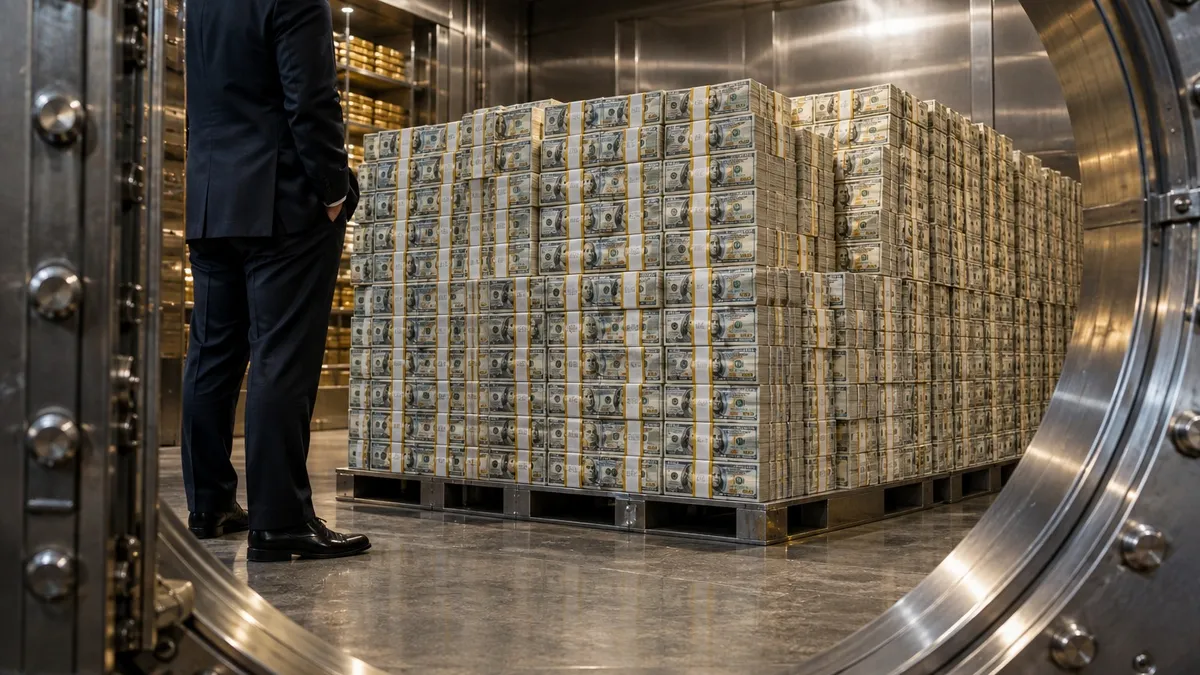
A billion dollars is one of those numbers that is hard to picture. It sounds like a thousand millions, which it is, but the jump from a million to a billion is much bigger than it feels. Working out how long it would take to spend is one of the best ways to make the number real.
Spending $1 billion at different speeds
Suppose you have $1 billion in cash and it earns nothing. Here is how long it lasts at different daily spending rates:
| Spending per day | Time to spend $1 billion |
|---|---|
| $1,000 | about 2,738 years |
| $10,000 | about 274 years |
| $100,000 | about 27 years |
| $1,000,000 | about 2.7 years |
Spending $1,000 a day, every day, you would need to have started around the time of Ancient Rome and you would still be going. Even at $10,000 a day, enough for a new car every few days, the money would outlast you and your grandchildren.
Why interest makes it nearly impossible
The table assumes the money earns nothing, which no billionaire would allow. Put $1 billion in safe government bonds or a savings account paying 4% and it earns about $110,000 a day in interest. At 5% it earns about $137,000 a day.
That means anyone spending less than about $100,000 a day would never run out at all: the interest alone would cover it, and the fortune would keep growing. To actually spend down a billion invested at 4%, you would need to spend far more than the interest every day for many years. The spend a billion calculator lets you try any daily amount and interest rate.
Other ways to picture a billion
Time is one way to feel the difference between a million and a billion. A million seconds is about 11 and a half days. A billion seconds is about 31 and a half years. If you counted one number a second without stopping, you could reach a million in under two weeks but would need more than three decades to reach a billion. The count to a million calculator works this out for any number.
Earnings are another. A worker earning $62,000 a year, roughly the median for full-time US employees, would need about 400 years of pay, with no taxes or spending, to earn a billion dollars. A 40-year career earns about $2.5 million.
Physical size is a third. A stack of $100 bills worth $1 million is about one meter (a bit over three feet) tall. A billion dollars in $100 bills would stack roughly a kilometer high, taller than any building on Earth. The money stack calculator shows the height for any amount and bill.
How fast you would have to spend to run out
Turning the question around makes the role of interest even clearer. If $1 billion is invested at 4% a year, how much would you need to spend each day to use it all up in a set time? To empty it in 10 years you would have to spend about $332,000 a day. To make it last exactly 30 years, a typical retirement, you could spend about $157,000 a day, and to stretch it over 50 years about $127,000 a day.
Those 30 and 50-year figures are only a little above the roughly $110,000 a day the money earns on its own, which shows how much of the work interest is doing. Almost any lifestyle, however lavish, would leave the fortune intact. The only way a large fortune shrinks quickly is through very large purchases, such as buying a company, or through falling asset prices.
What a billion could buy
Shopping lists are another way to make the number concrete. A billion dollars would buy about 2,500 homes at $400,000 each, enough for a small town. It would cover the four-year cost of a private university for thousands of students, or buy a new mid-size car for more than 20,000 people.
Spread across everyone in the United States, by contrast, it shrinks to almost nothing. With about 340 million people, a billion dollars works out to roughly $2.94 each, which is a reminder that even huge sums are small next to the size of a national economy. Government budgets, which are measured in trillions, are a thousand times larger again.
From millions to trillions
Each step up the scale is a thousand times bigger than the last, which is why the words sound closer together than the numbers are. Measured in seconds, a thousand is about 17 minutes, a million is about 11 and a half days, a billion is about 31 and a half years and a trillion is about 31,700 years, longer than recorded human history. The difference between a millionaire and a billionaire is the difference between a two-week holiday and an entire working life.
That scale also explains why financial goals that seem out of reach become manageable once you put them in time. Reaching a million dollars through steady saving and investing is a realistic goal for many people over a career, as the years to a million calculator shows. Reaching a billion that way is not, because it would take a thousand times more.
Lessons for ordinary savers
The billion-dollar thought experiment is fun, but it carries a serious lesson that applies at any size of savings. The same rule that makes a billion almost impossible to spend also decides how long a $500,000 or $1 million retirement fund lasts: as long as you withdraw less than the money earns, the balance holds or grows, and once you withdraw more, the shortfall compounds against you. A $1 million portfolio earning 4% produces about $40,000 a year, the same ratio as the billionaire’s $40 million, just a thousand times smaller.
This is the idea behind the 4% rule and the FIRE movement, and it is why financial independence is usually defined as having savings large enough that their returns cover your spending. The FIRE number calculator works out that target for your own budget, and the how long will my money last calculator shows what happens when withdrawals are larger than returns.
Common questions
How long would it take to spend a billion dollars at $1 million a day? About 2.7 years with no interest, or a little longer if the money earns interest while you spend it.
How much interest does a billion dollars earn? At 4% a year, about $40 million a year, which is roughly $110,000 a day. At 5%, about $50 million a year.
Could you spend a billion dollars in a lifetime? Only by spending far more than the interest it earns, well above $110,000 a day at 4%, or by making very large one-off purchases.
What billionaires actually do
In practice, very few billionaires hold their wealth in cash. Most of it is in shares of companies they founded or invested in, along with property and other assets. That is why billionaire fortunes can rise or fall by billions in a single day as stock prices move, and why “spending” a billion is less about daily purchases than about selling shares, which can itself move markets.
The bottom line
At $10,000 a day, a billion dollars would last about 274 years with no interest, and forever at almost any realistic interest rate. The gap between a million and a billion is the gap between 11 days and 31 years. It is a fun exercise, but it also shows why compounding matters at every level of wealth: the bigger the pile, the more it earns on its own.
Run your own numbers
This guide is general information for planning, not personal financial advice. Figures were checked on the date shown and can change.